Where Mountains become Mentors : A Parent's Reflection
A Parent’s Perspective on Adventure, Values, and Growing Up
By Mrs. Salunkhe
Mother of Hrishikesh Salunkhe
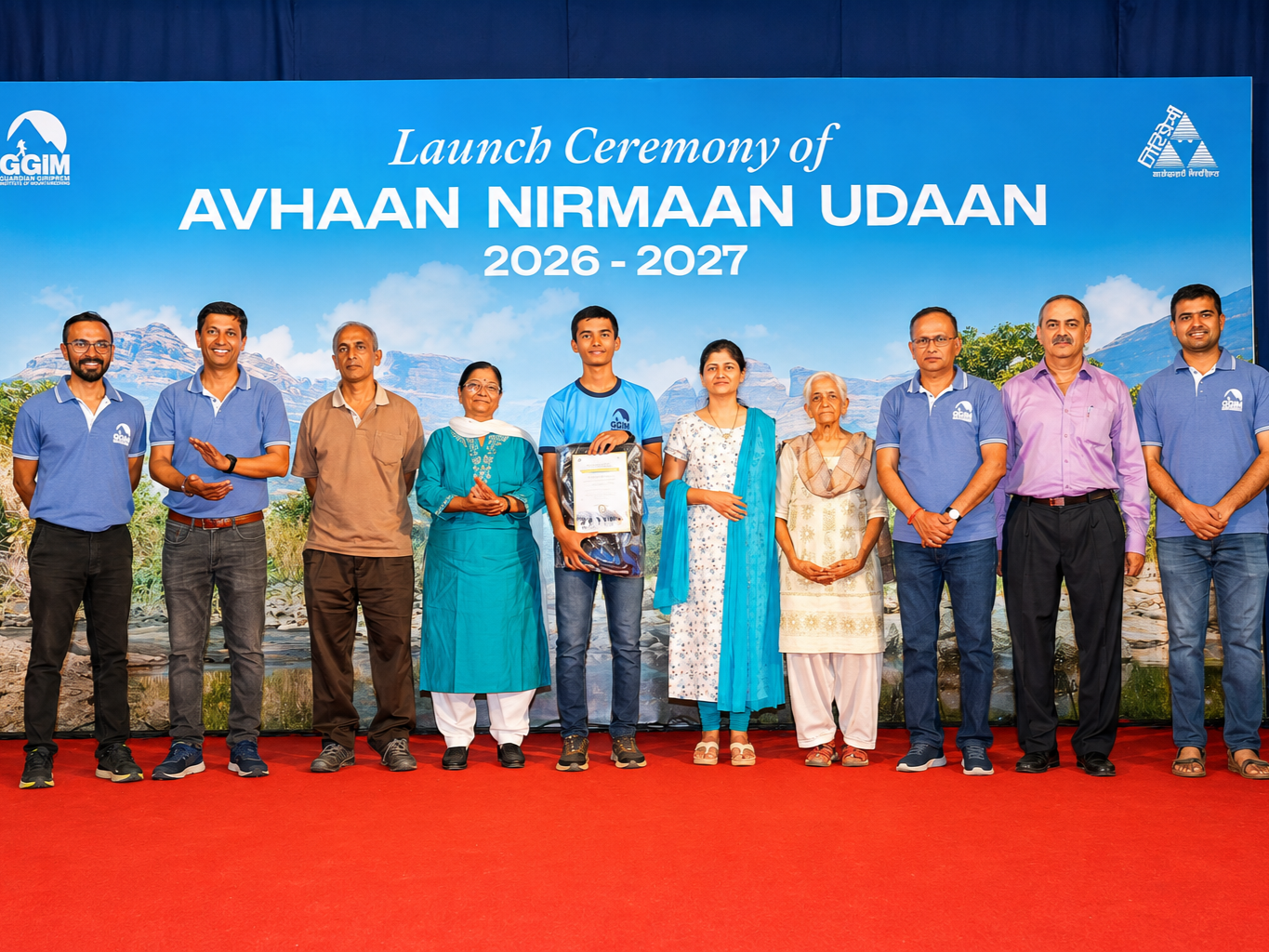
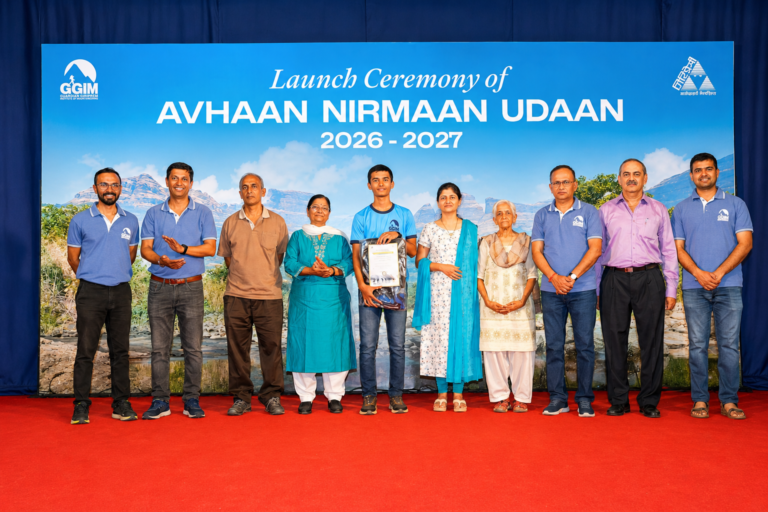
Best Trainee Avhaan–Nirmaan–Udaan (ANU)
I enrolled my son when he was 10 years old, and I think that it was one of the best decisions we made for our kid. I see a very good outcome of our decision, and I feel that every parent should consider enrolling their children in this program to help children grow into good human beings and, eventually, to build a good society.
Nowadays, kids’ outdoor life is either materialistic (mostly going to malls for entertainment or hotels for food) and/or in sports classes. To keep them healthy and to help them learn, we generally enrol kids in sports classes, such as football, swimming, or cricket. But eventually, we put them in a RAT race. And their life is limited only to the first, second, and third positions and medals. This leads to the spoiling of relations among kids. They lose their innocence and helping nature. Helping nature is a very natural behaviour of human beings. It is hard for kids to find a best buddy, because they just want to win, and not everyone can be a winner. Thus, they start carrying hatred and grudges. And kids forget to become a Good Human Being. It’s not their fault, it’s our failure as parents.
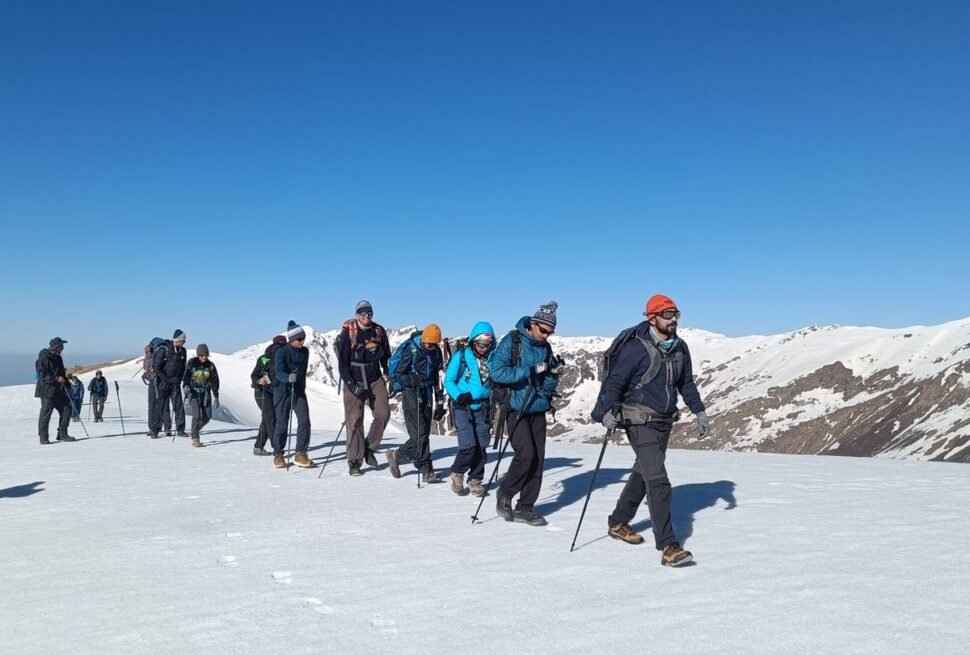
GGIM arranges a day trek once a month, a multiday trek during Diwali vacations and a 10 to 13-day Himalayan trek at the year’s end. Kids learn to get up early in the morning for the treks. Their fun-filled treks in nature develop their physical fitness, and nature gives them mental peace, and that too in a group of friends. They play in water, feel the fall of a waterfall, walk in the scorching heat, climb in the cold and so on. Imagine the physical fitness they would develop. Kids eat home-cooked food, under a tree or in a temple. They share their food among themselves. I believe we as parents will not be able to provide such a fun-filled day as much as we wish to.
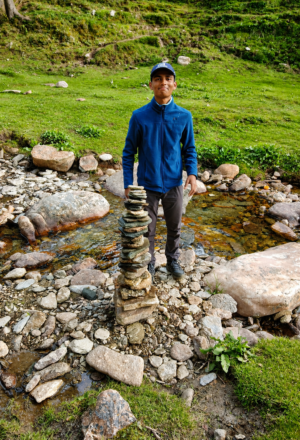
These treks give them friends, where they support each other, lend a hand to each other to CLIMB UP (this thing doesn’t happen in any other sport/activity), and the friendship will obviously remain forever, because everyone carries good values. Kids understand resilience while climbing mountains; they become self-reliant in every aspect of life, as they carry their own stuff. Moreover, their simplicity increases; you don’t need to be fancy here.
Kids develop social values like teamwork, no kid walks alone on a trek, they walk as a team, they learn to trust in themselves, in team members and in mentors. That trust stays on in the walk of life, too. They learn to respect everything, whether it’s their mentors, nature or anything.
Kids call instructors “dada” and “tai”, and the relation changes completely here, which develops a strong bond. Instructors are down-to-earth and friendly. They handle the kids wonderfully. The instructors eventually become role models for the children. Number of times, we as parents always have a fear that our child should not end up in bad company, in any environment. But a kid who completes the ANU program sees and understands what is good behaviour and will never land in bad company.
While on treks, the aim is only to climb the mountain, who reaches the first doesn’t matter, in-fact who so ever reaches first will definitely help those who are behind. Imagine how beautiful the future world would be, there won’t be a fight for “me or mine”.
The toughest mountain gives you the best view, here kids understand that the hardship gives the best output. Working on anything slowly and consistently will definitely be fruitful someday. Also, the less baggage you have, the more energy you have to climb up. Similarly, kids learn to give away the extra baggage of grudges and hatred. And if some day, unfortunately, the kid cannot climb up, he/she can digest that failure, and the group will support him/her.
GGIM is definitely contributing to healthy people and, more importantly, to building a healthy society in the near future.